Mprosevir, an oral small-molecule antiviral for COVID-19 with an entirely new scaffold, took only three and a half years from initial discovery to completion of clinical trials. How did the R&D team break with convention to achieve such efficiency? This article looks back at the birth of Mprosevir, the first new drug from Westlake Pharma. This article is republished from Westlake University.
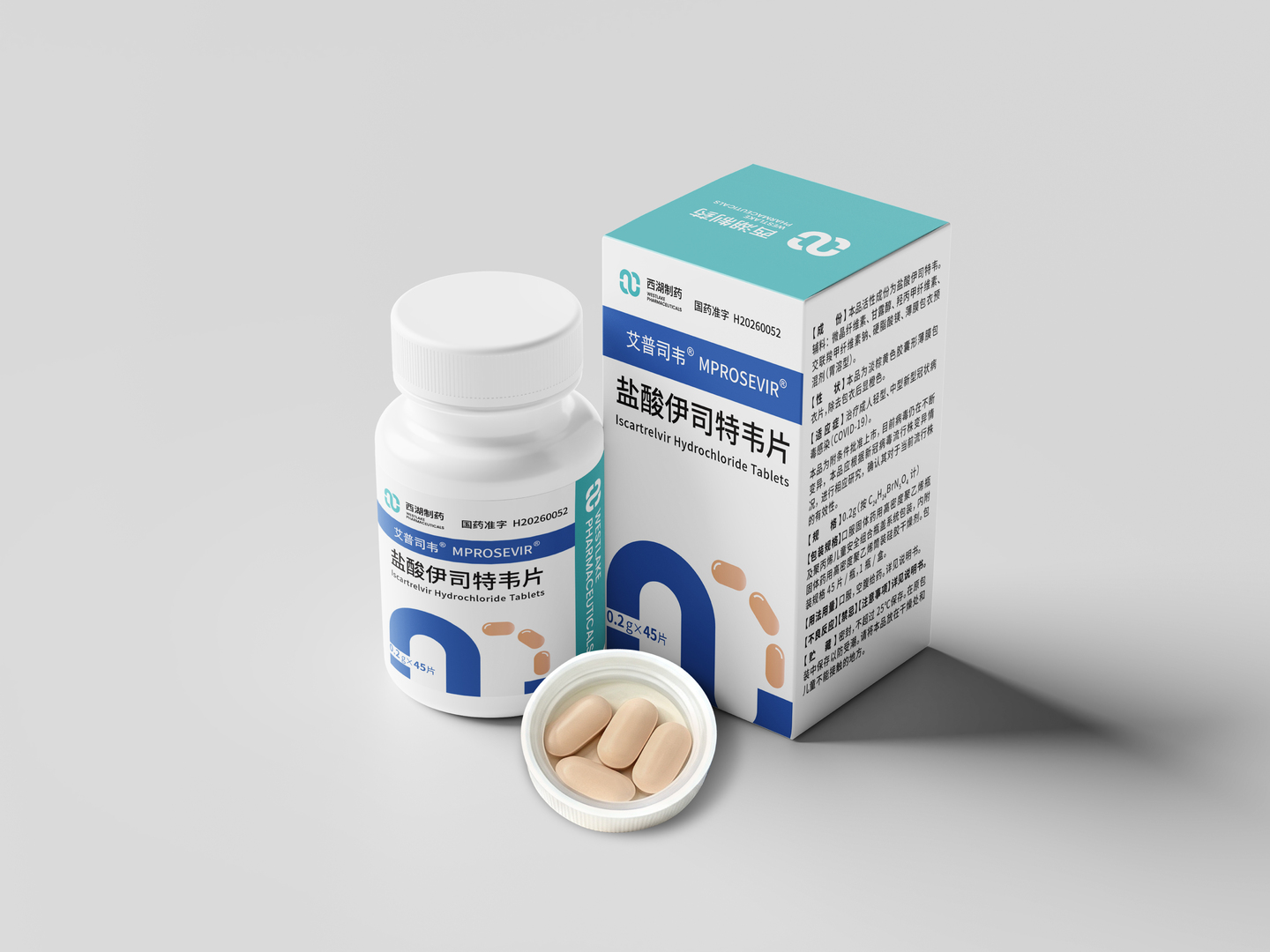
Appearance of Iscartrelvir Hydrochloride Tablets (brand name: Mprosevir)
The innovative drug jointly developed by Westlake University, Westlake Laboratory, and Westlake Pharma—Iscartrelvir Hydrochloride Tablets (brand name: Mprosevir)—has recently received conditional marketing approval from the National Medical Products Administration (NMPA). It is Westlake University’s first fully independently developed Class 1 innovative drug, indicated for the treatment of mild-to-moderate SARS-CoV-2 infection in adults. In China’s drug registration classification, Class 1 innovative drugs represent the highest category, signifying zero-to-one original innovation. Their defining features are a completely new chemical structure, a novel mechanism of action, and clear clinical value.
But industry attention on Mprosevir goes far beyond its role as “a COVID drug.” It is the world’s first small-molecule innovative drug successfully approved based on DNA-encoded chemical library (DEL) technology—a historic zero-to-one breakthrough for DEL, 34 years after the concept was first proposed. It is also the first original drug in China to reach marketing approval with the support of AI-assisted R&D—taking only three and a half years from initial discovery to the completion of clinical trials.
Three and a half years to travel a road that usually takes ten—what actually happened behind Mprosevir? What role did “DEL × AI” play in this race? And where does the real transformation lie, from basic research to industrial application? The answer lies in an extreme screening journey from 49 billion to one.
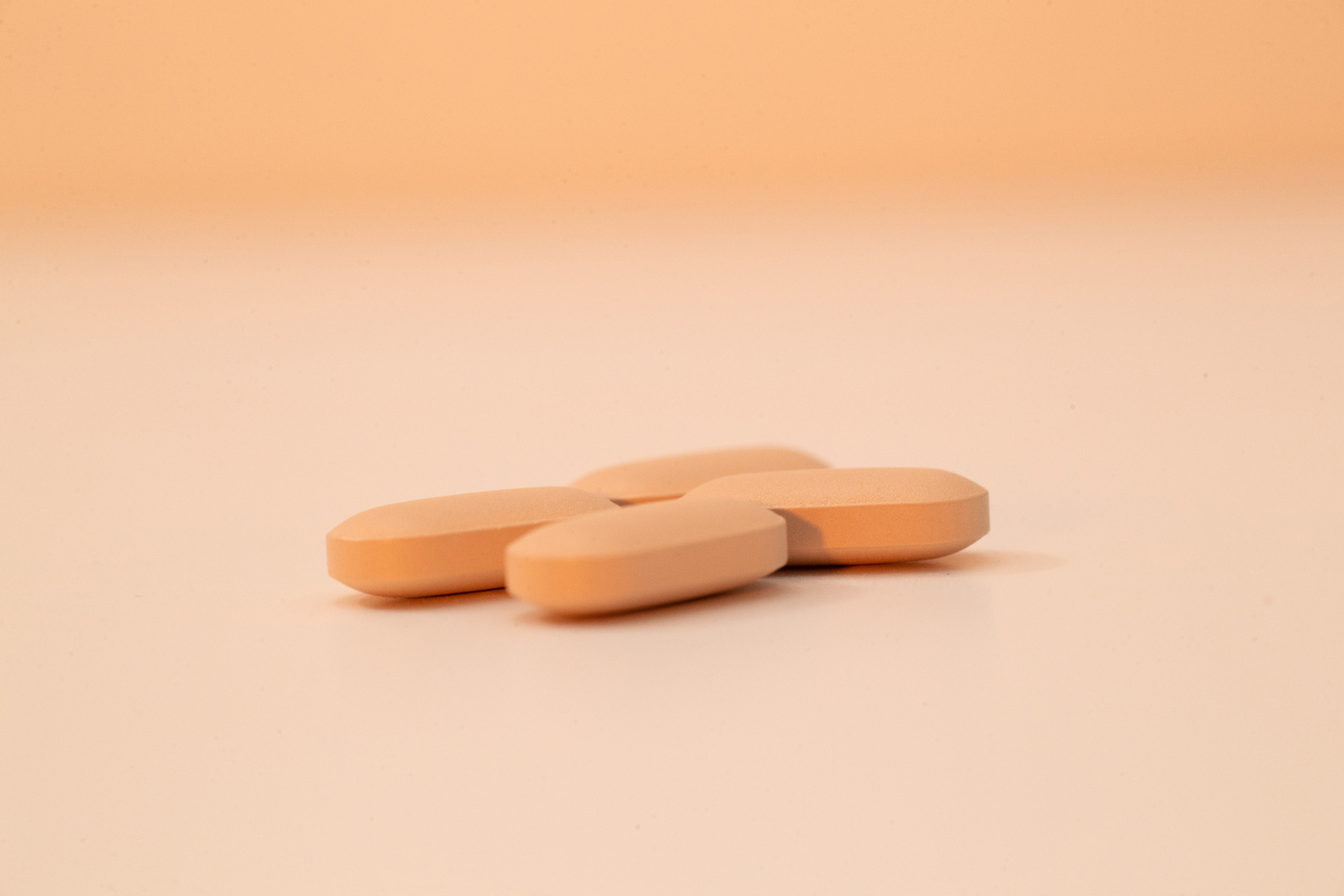
Mprosevir
In antiviral drug development, scientists have a classic strategy: rather than killing the virus in a head-on battle, precisely block its replication. The SARS-CoV-2 3C-like protease (3CLpro) is a crucial “scissors” in viral assembly—the virus relies on it to cleave out functional proteins and assemble the enzymes required for viral replication. If a drug molecule can be found to jam the “scissors,” the virus cannot replicate. 3CLpro has therefore become a hot target for suppressing SARS-CoV-2. By the end of 2025, more than 100 programs targeting it were in development worldwide.
Before Mprosevir, the marketed 3CLpro inhibitors were all based on two molecular scaffolds. Mprosevir represents a third, entirely new molecular scaffold for 3CLpro inhibitors. Unlike conventional designs that make “piecemeal modifications” to known scaffolds, Mprosevir is the first 3CLpro inhibitor discovered “from scratch” through DEL technology. It has a low off-target risk, a favorable safety profile, does not require co-administration with ritonavir, and shows broad-spectrum inhibitory activity against coronaviruses.
So how did Westlake scientists find it in a molecular universe as vast as the stars?
The architects of this “molecular hunt” were Yu Hongtao, Hu Qi, and Huang Jing, professors in the School of Life Sciences at Westlake University, together with Wang Tingliang, Assistant to the President. Yu Hongtao assembled the task force. Hu Qi led the chemical biology laboratory and was responsible for target protein studies and drug experiments. Huang Jing specialized in developing models and algorithms for molecular simulation and drug design. Wang Tingliang drove the full-chain process from capital introduction to technology commercialization.
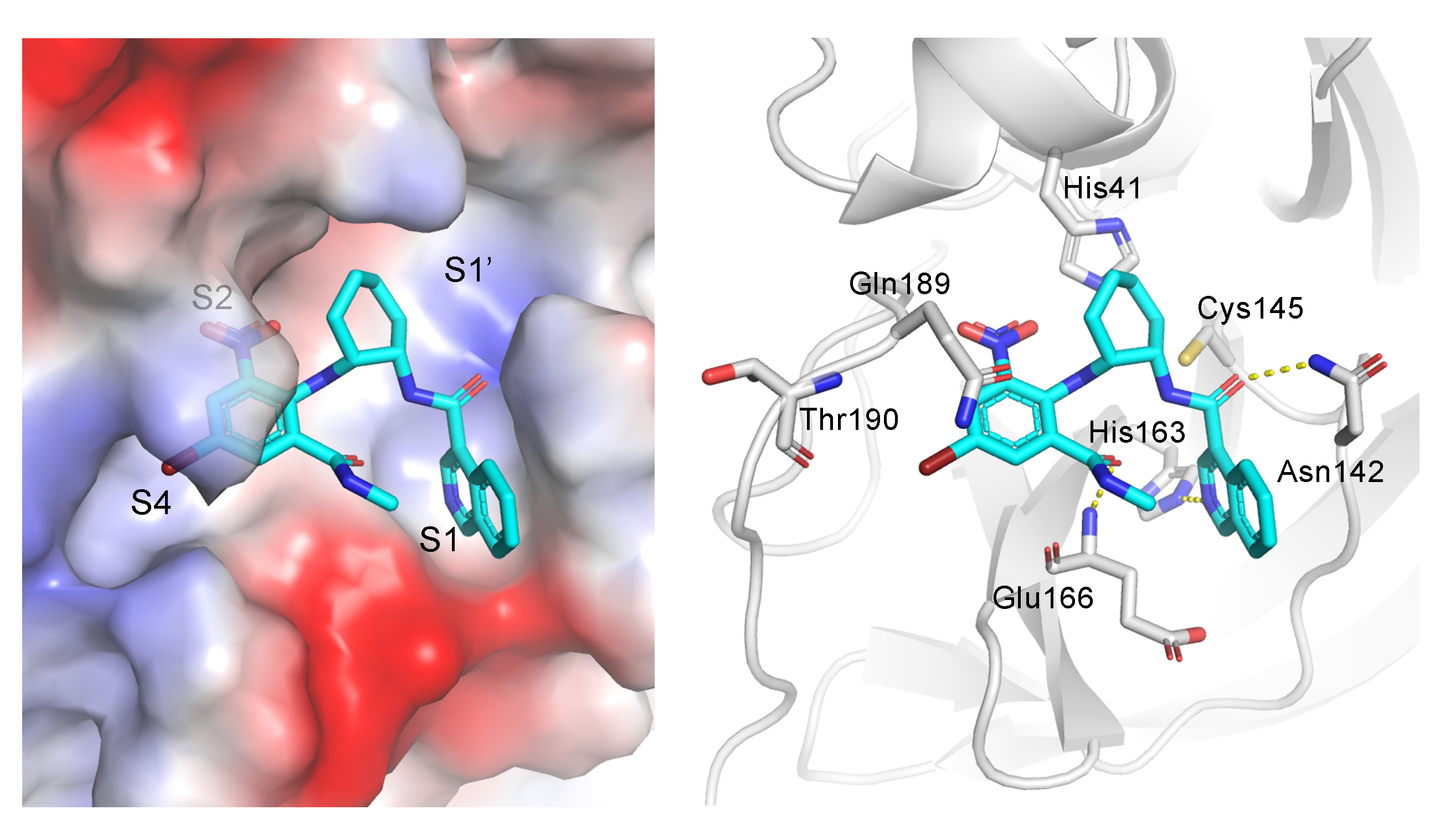
Binding mode of Mprosevir molecule with 3CLpro
In March 2020, the task force was formally established, setting its sights on the SARS-CoV-2 3CLpro. Where would the starting-point hit compounds come from? The team turned to DEL. DEL screening is a powerful strategy for identifying hit compounds, first proposed in 1992 by Sydney Brenner, the molecular biologist known as the “father of the nematode,” and chemist Richard A. Lerner. In simple terms, it first builds a vast molecular “pool” containing hundreds of millions of compounds, each linked to a unique DNA barcode—like a small tag attached to a tea bag. A target protein such as 3CLpro is placed into the pool and then pulled out: compounds that bind the protein stick to it, and by reading the DNA barcodes, scientists can tell which molecules have been “hooked.” That is the basic principle of DEL screening.
But reality is far more complex. Some molecules can bind the target protein but not necessarily at the functional site. Some bind but lack specificity and will bind almost anything. More troublesome still, a DEL “pool” routinely contains hundreds of millions of compounds. What sounds like targeted fishing is actually casting a giant net. A single pull may bring up thousands upon thousands of molecules; synthesizing and validating each one individually would be unimaginably time-consuming and labor-intensive.
That is why, over the past 34 years, although DEL technology has become a standard tool in major pharmaceutical companies, it had never yielded a single approved original drug. And it is precisely for this kind of noisy, massive dataset that AI proves valuable.
Dr. Hu Qi
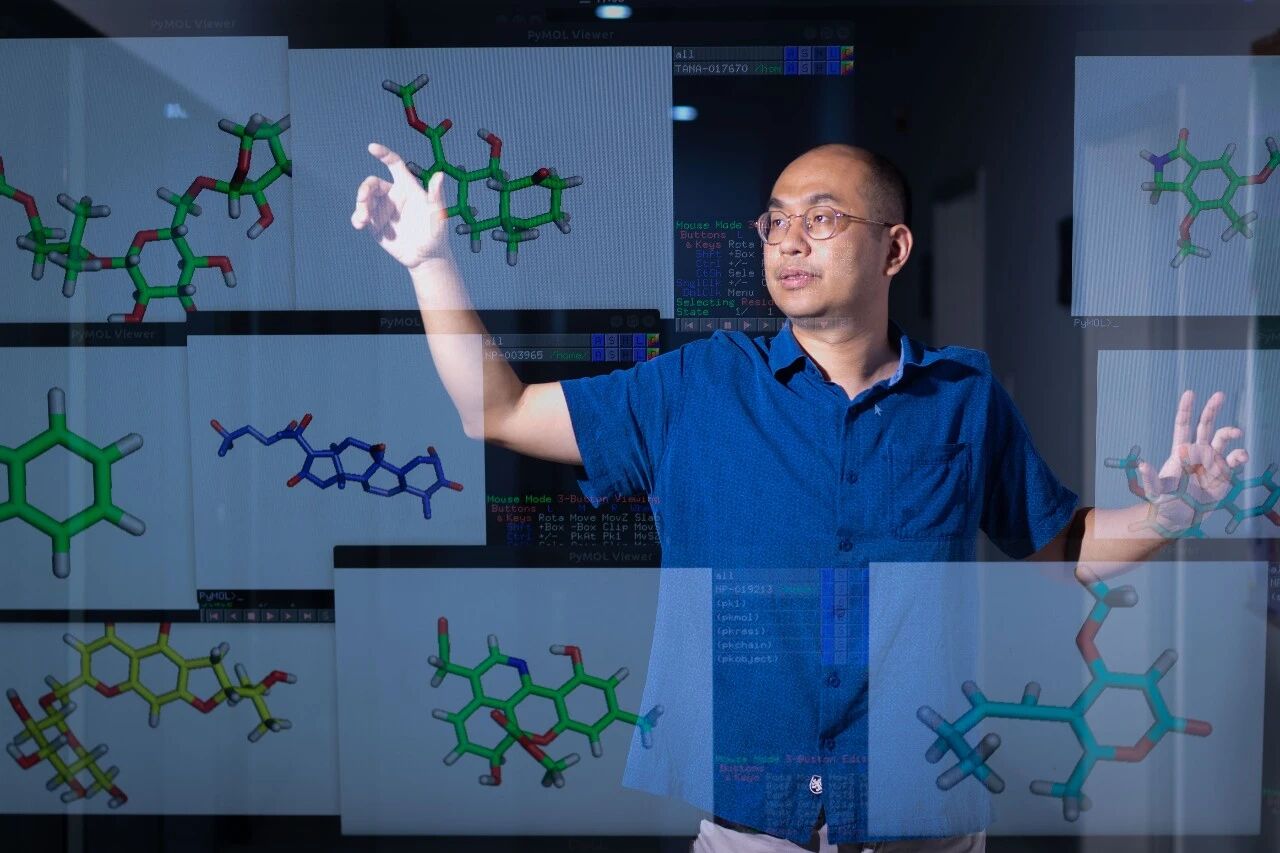
Dr. Huang Jing
From the very beginning, this hunt against a viral target was designed as a dual-engine strategy: “AI × DEL.” AI would perform virtual screening to weed out the many “false positives” and identify the molecule truly capable of becoming a drug. “No one in the world had done this before; we were the first to try,” recalled Huang Jing. Training an AI requires algorithms, computing power, and data—specifically, high-quality data. Where did the data come from? Huang’s team first used conventional computational virtual screening to conduct a round of “simulated binding” against 3CLpro, narrowing down dozens of candidate molecules. The candidates were then handed toHu Qi, whose lab was one floor upstairs. Hu’s team quickly measured the inhibitory activity of these molecules against 3CLpro, and these real experimental data were used to train the AI initially, allowing the model to gradually “learn” the molecular recognition patterns of 3CLpro.
A preliminary “weak AI model” was born.
The DEL library selected for the search for Mprosevir contained as many as 49 billion compounds. DEL screening pulled out more than a hundred “promising candidates,” which then had to be evaluated one by one. Under the conventional approach, each of these hundred-plus molecules would have to be individually synthesized and validated—a massive investment of time and resources. But at this point, the AI model took over. In just a few days, it rapidly narrowed the list to nine molecules. Activity testing of these nine showed that six displayed excellent activity—a remarkably high predictive hit rate. The team then further tightened the circle through assessments of drug-like properties such as toxicity and metabolism, ultimately locking in a candidate molecule designated WLU6937. WLU stands for Westlake University, and 6937 reflects the fierce competition among candidate molecules.
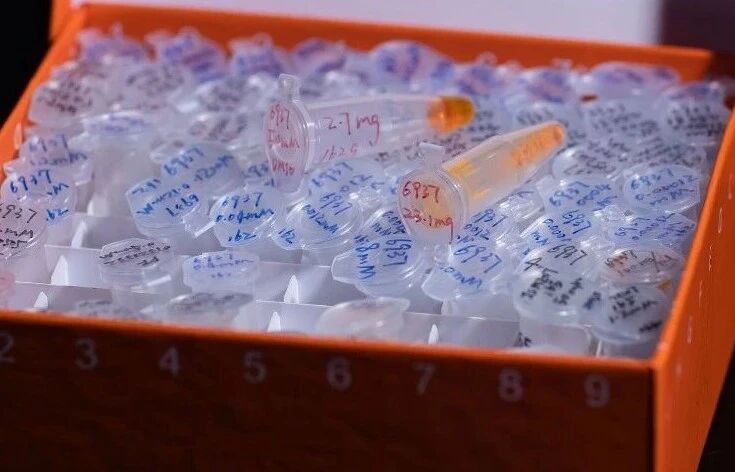
Compound No. 6937
In original drug R&D, there is a well-known “three tens” rule: ten years of time, one billion dollars of investment, and less than a ten percent probability of success. Yet the Westlake team went from cloning the 3CLpro protein to selecting WLU6937 in only six months. “Mprosevir proves that truly AI-assisted drug discovery is now efficient and feasible,” said Wang Tingliang.
Of course, WLU6937 was not the planned endpoint. Over the following two years, the team carried out a complete drug optimization process around this molecule—improving potency, enhancing drug-like properties, reducing toxicity, and advancing from in vitro cell experiments and mouse studies all the way to clinical trials. This stage also relied heavily on AI. They integrated advanced AI architectures with structural biology, medicinal chemistry, and biochemistry to build an AI-driven drug discovery platform called WAND (Westlake AI for Novel Drug, also meaning “wand”). The models were iteratively trained with large volumes of data generated from wet-lab experiments, continuously improving predictive accuracy.
Remarkably, subsequent experiments proved that WLU6937 was indeed the optimal solution. In other words, with AI support, DEL hit the bullseye directly. After 34 years, the thought experiment had finally run its full course.
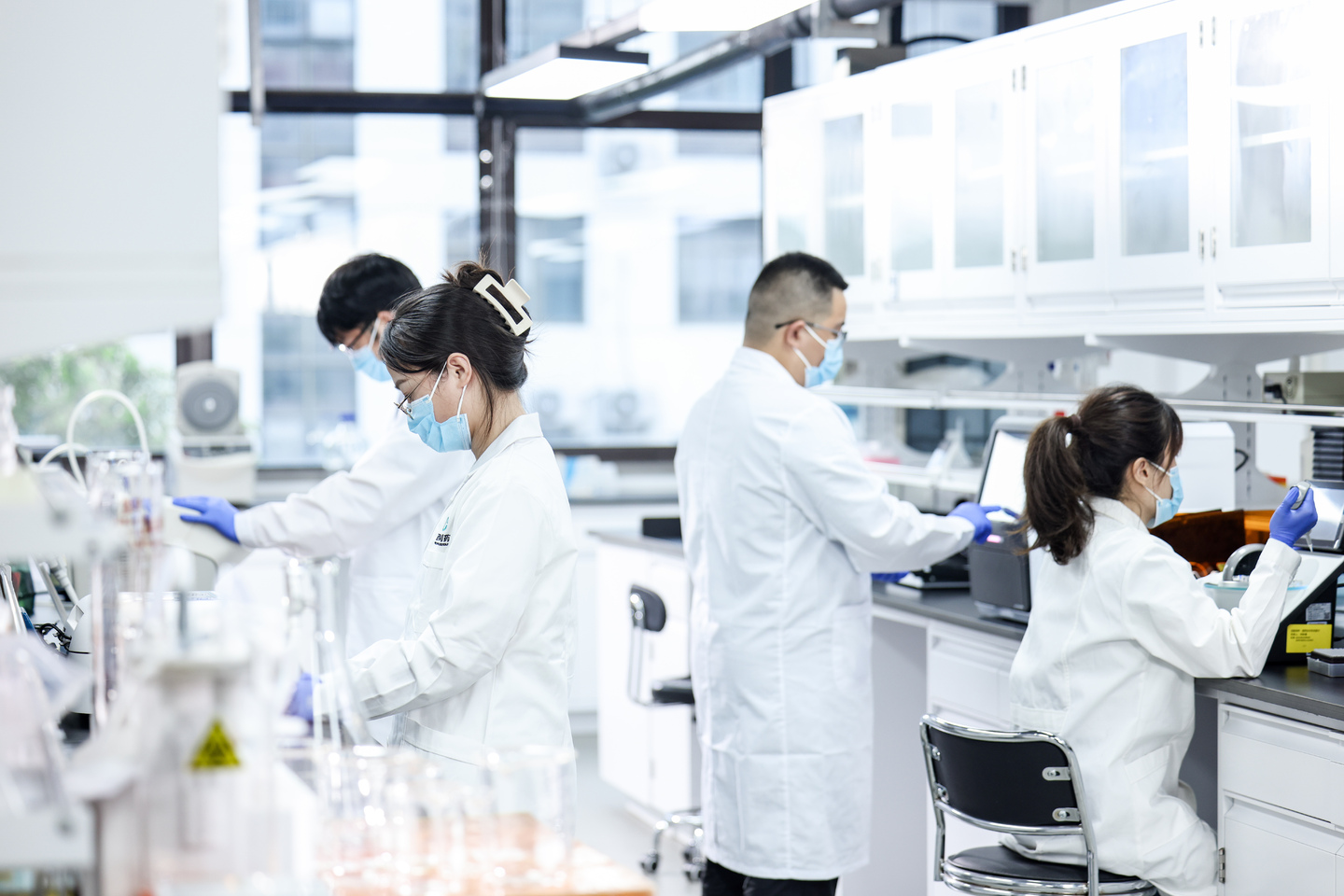
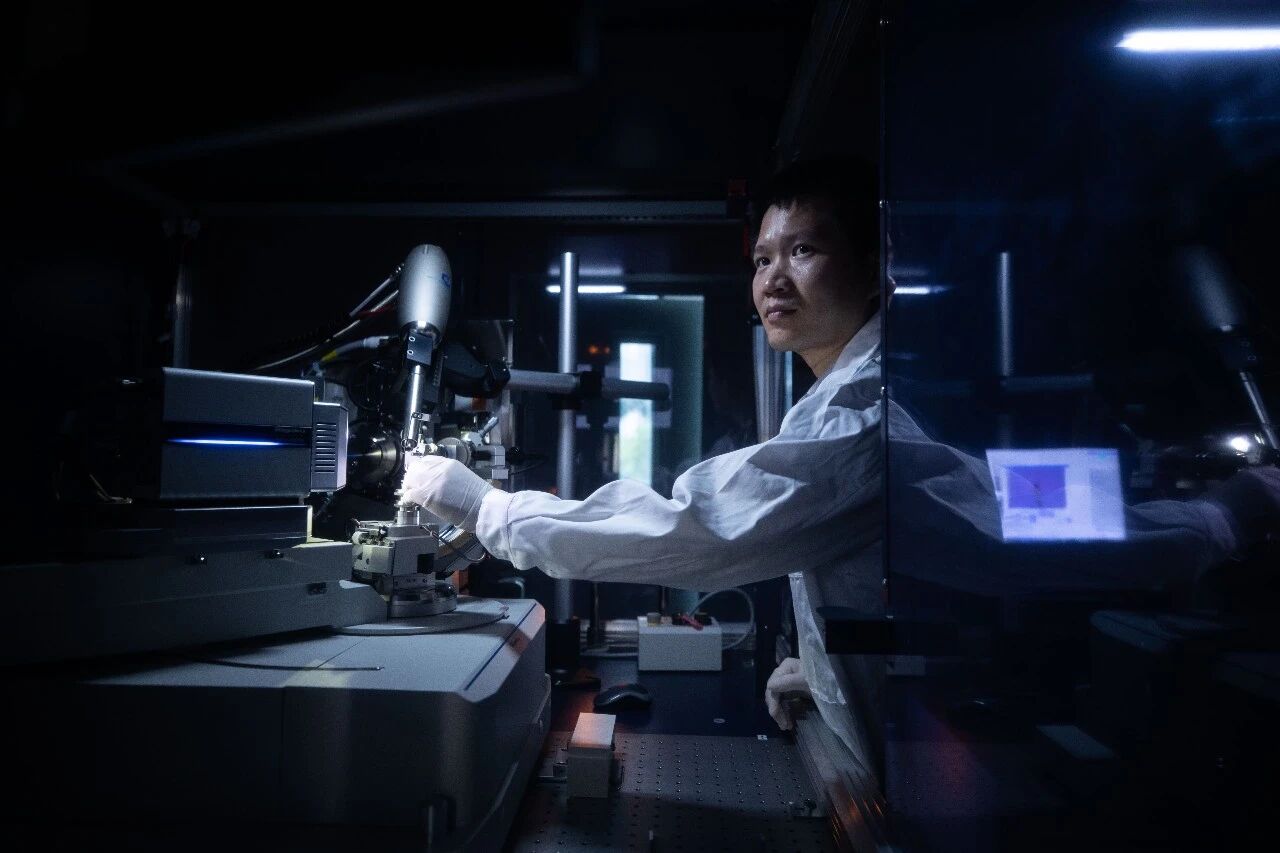
The laboratory of Westlake Pharma
Even greater surprises followed. The success of WLU6937 validated the accuracy of the initial “weak AI model.” The team fed the massive dataset generated from DEL screening back into the AI model, completing a round of “data feedback.”
Huang Jing repeatedly emphasized: “What we did is DEL × AI, not DEL + AI.” The multiplication means deep integration of dry-lab and wet-lab experiments and two-way synergy between data and models—not simply doing DEL first and AI later. After this round of tempering with real DEL data, the original “weak AI model” grew into a “strong model” built on massive real-world data. It can not only precisely predict the current target but also respond rapidly to viral mutations, staying “ready at all times” for future drug upgrades and iterations.
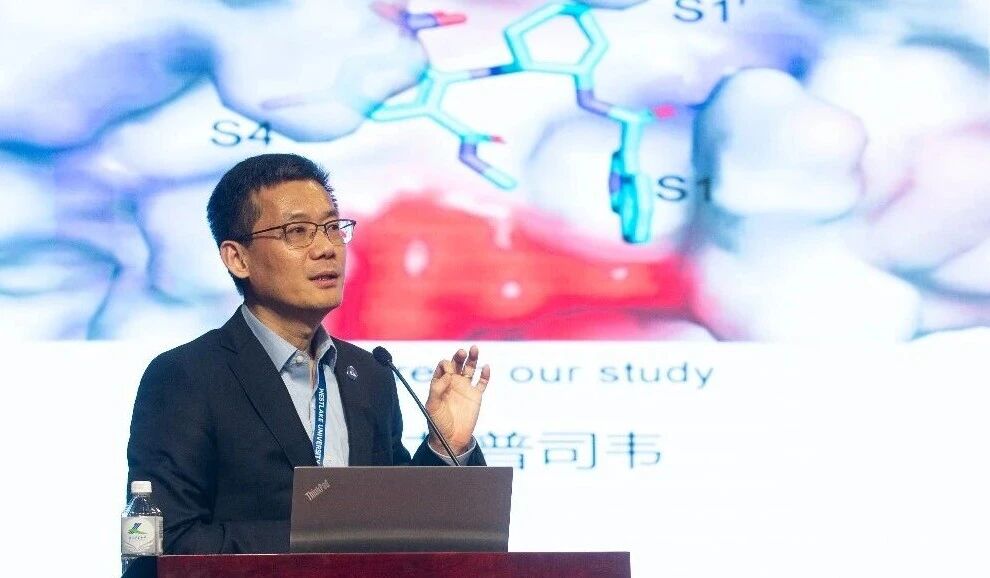
Dr. Yu Hongtao
Looking back to early 2020, in those crisis-filled months of the pandemic, Yu Hongtao started a group chat to discuss whether to develop an anti-SARS-CoV-2 drug. Hu Qi said at the time: “A typical original drug takes more than ten years to develop. It is very likely the pandemic will be over before the drug is ready.” But Yu Hongtao still believed it was worth doing. The battle between humanity and viruses is a protracted war. It was precisely because drug development was halted after the 2003 SARS outbreak that we were left with no effective drugs when COVID-19 emerged.
Now, out of 49 billion possibilities, they have found that one unique molecule. They have incorporated that molecule into a single tablet. And inside that tablet lies a brand-new recipe written by AI under the scientists’ “hands-on guidance.” What they have gained is not only a drug molecule, but also an ever-growing AI model.
From 49 billion to one is a numerical miracle, but it is also the realization of a scientific conviction. This exploration, which began with the pandemic but goes far beyond it, proves one thing: when human intelligence and artificial intelligence move in the same direction, the ten-year timeline for drug development may truly be fulfilled ahead of schedule.
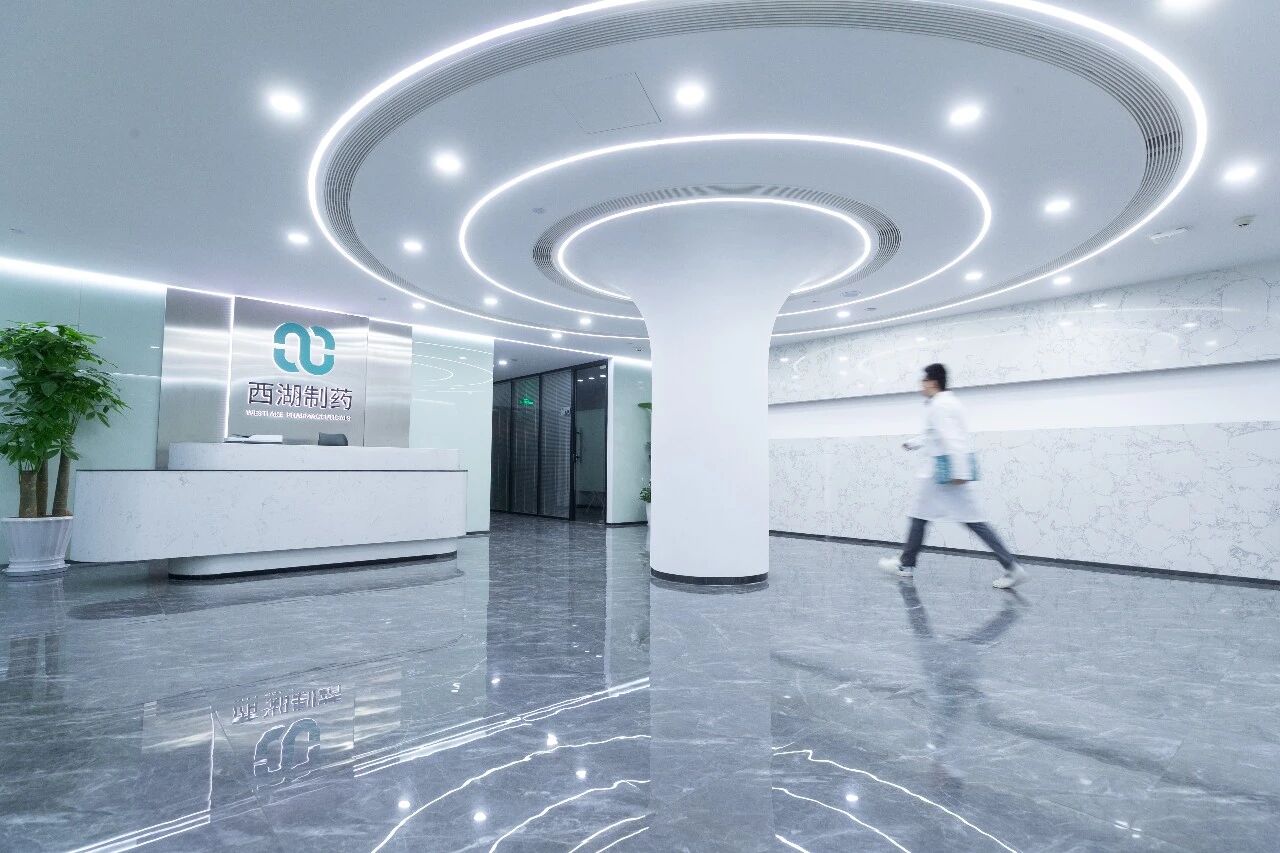
Westlake Pharma
Postscript: The Double Helix
On July 29, when news came that Mprosevir had been officially approved, a scene flashed through Wang Tingliang’s mind like the closing credits of a film—a long list of names scrolling slowly before his eyes. The list included colleagues who made every effort to return to campus during lockdowns, partner universities and P3 laboratories that gave full support to virology experiments, dozens of hospitals involved in clinical trials, and investors who boldly provided capital despite enormous risks.
It seems like a perfect coincidence: a reliable team, a pandemic, a decision to develop a new drug, and then a fair amount of luck—hitting the target in one shot. But was it really just luck?
“Westlake University has been preparing for this moment since its very first day,” said Wang Tingliang.
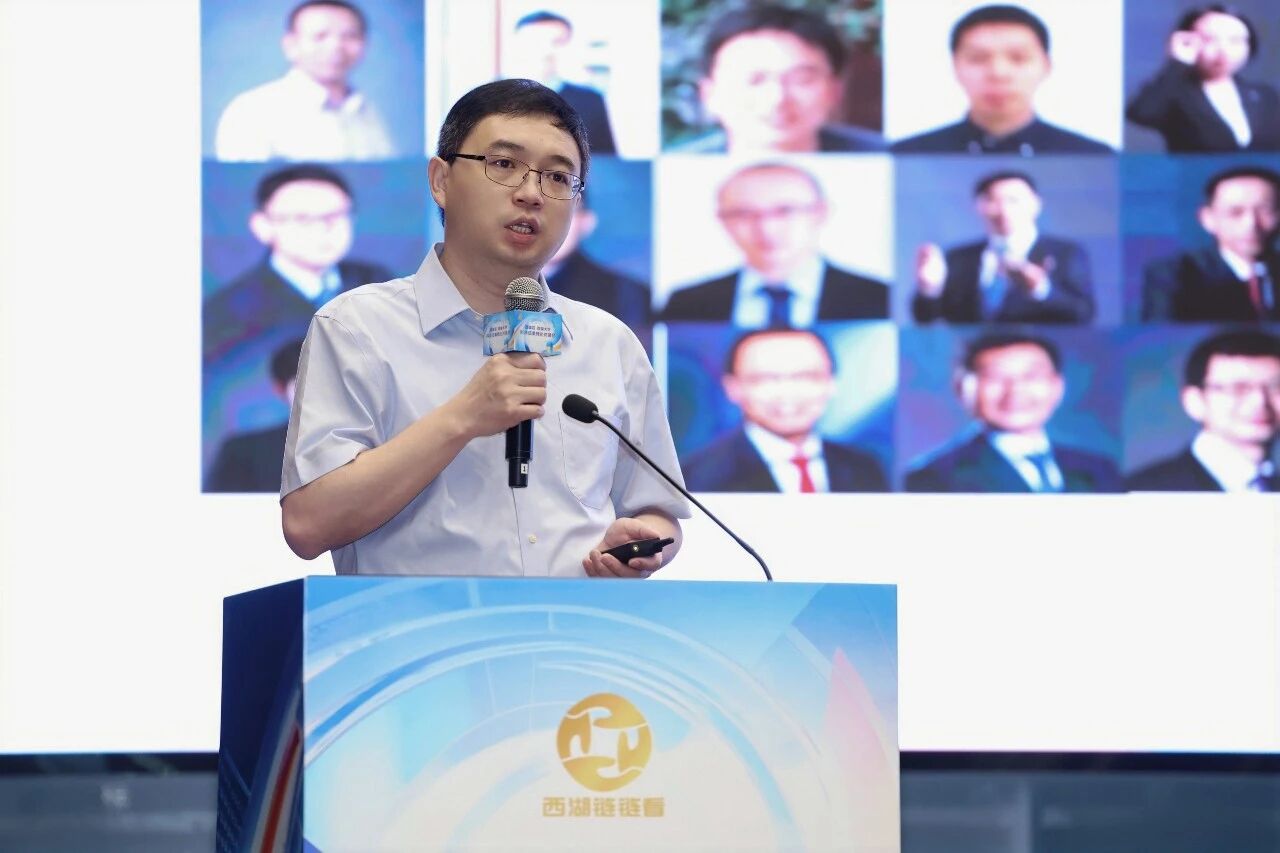
Dr. Wang Tingliang
As one of the earliest members who came from Tsinghua to help build Westlake, he has focused single-mindedly on one thing over the years: turning laboratory achievements into products that ordinary people can use. He said: “Technology transfer should not be just a porter of papers. We must build a bridge and fill the gap between research and industry.” A biology PhD by training, he gave that bridge a vivid name: the double helix. Basic research and industrial translation are like the two strands of DNA—each playing its own role, yet intertwined and rising together.
The birth of Mprosevir was a real-world test of this “double helix” mechanism. From early drug screening to the advancement of clinical trials, and from venture financing for Westlake Pharma to the implementation of strategic partnerships, the system gave the research team full support in crossing the chasm between basic research and industrial application. It is this new translation system—rooted on campus but connected to capital and markets—that has enabled frontier discoveries to move rapidly into clinical development.
Midway through the development of Mprosevir, Westlake University also established the Innovative Drug Proof-of-Concept Center, building a full-chain collaborative innovation platform spanning “drug screening – functional validation – drug optimization – clinical validation” to ensure that at every step from idea to tablet, someone is ready to carry the baton.
The WAND AI platform originally built by Westlake Pharma is no longer a “specialist” that only recognizes the 3CLpro target. It has become a “generalist” capable of predicting drugs for multiple targets, with more than a dozen candidate drugs now being advanced in parallel on the platform. In 2023, Westlake Pharma joined the ranks of future-unicorns. To date, Westlake has incubated and fostered 67 technology-transfer companies with a combined valuation exceeding RMB 20 billion. For a young university founded less than ten years ago, a distinctive industrial translation matrix has begun to take shape.
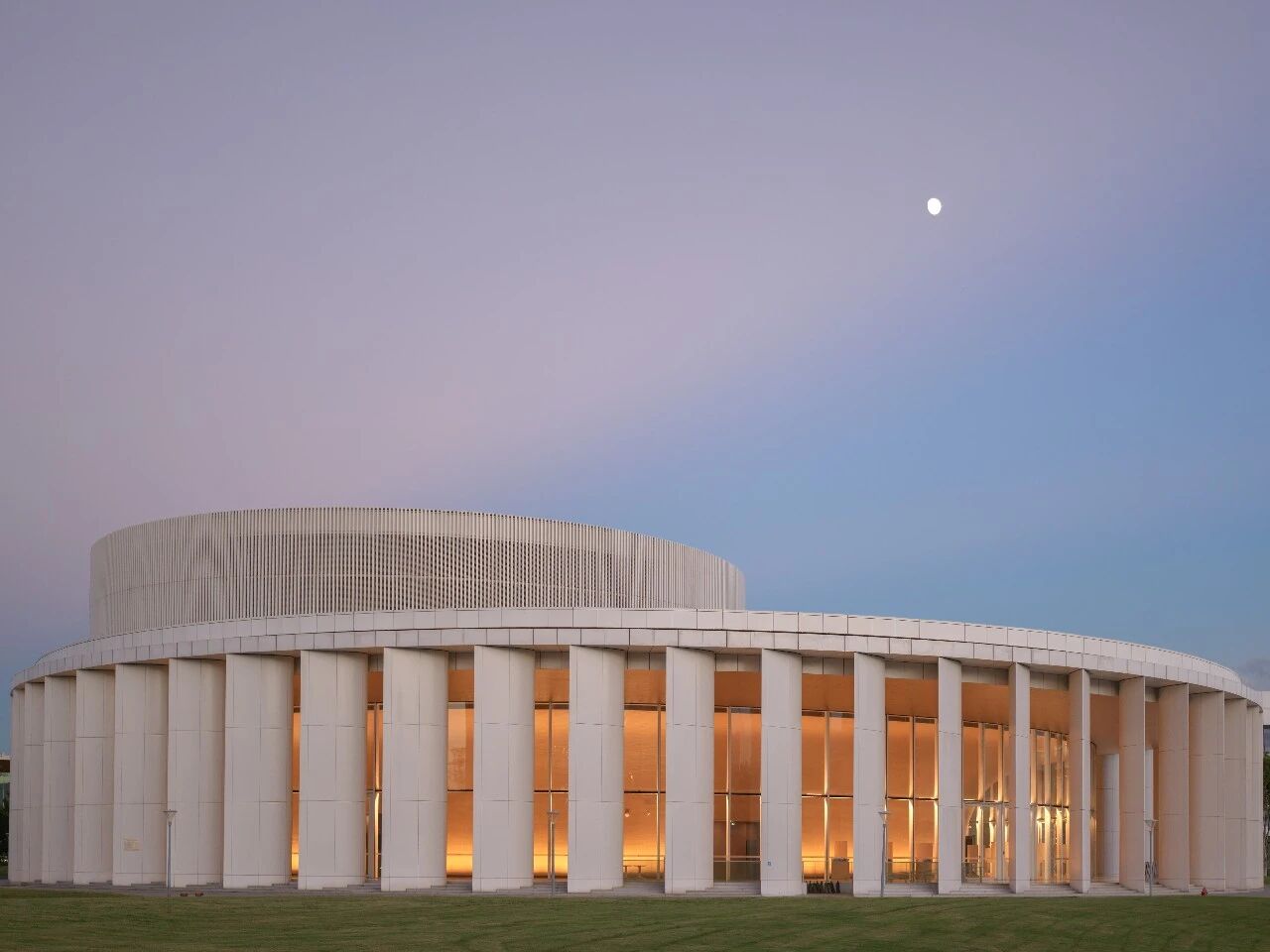
Yungu Campus of Westlake University
Call for Innovative Drug Incubation Projects
The Innovative Drug Proof-of-Concept Center established by Westlake University has been recognized as one of the first batch of proof-of-concept centers in Zhejiang Province. In cooperation with Zhejiang International Trade Group, the Center provides research validation funding for early-stage projects and provides angel investment to project companies through the Westlake Innovation Fund, connecting industry, capital, and policy resources to empower projects throughout their entire growth cycle.
To accelerate the translation of more original innovations, the Center is launching a new round of proof-of-concept project solicitation in the life sciences. Selected projects will receive full-cycle “technology validation + business validation” services, with technical feasibility, clinical value, and commercial pathways refined one by one. Outstanding projects will also receive direct proof-of-concept funding to help teams cross the first mile from laboratory to commercialization.
Center email: venture@westlake.edu.cn